Auto Parts Payment Terms: T/T, L/C and Deposit Structures
How T/T, letters of credit and deposit structures move risk between auto parts buyer and seller, and how to tie payment tranches to inspection.
Read article →Technical guides, industry trends, and maintenance tips from the KEHO engineering team.
How T/T, letters of credit and deposit structures move risk between auto parts buyer and seller, and how to tie payment tranches to inspection.
Read article →Latest Articles
How T/T, letters of credit and deposit structures move risk between auto parts buyer and seller, and how to tie payment tranches to inspection.
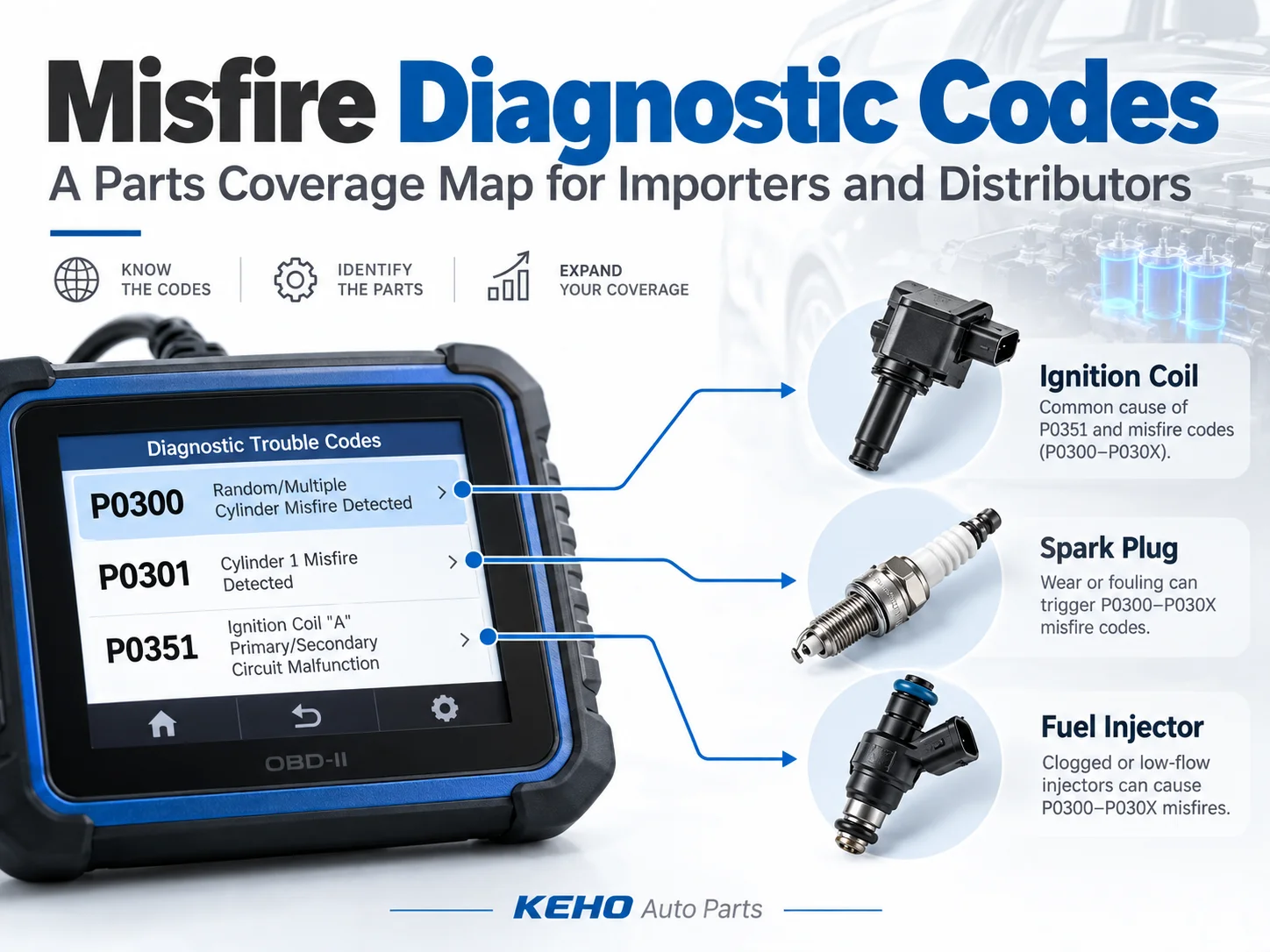
Map P0300-P0312 and P0351 misfire codes to the parts importers actually stock. Five failure clusters, coverage weighting, and supplier checks.
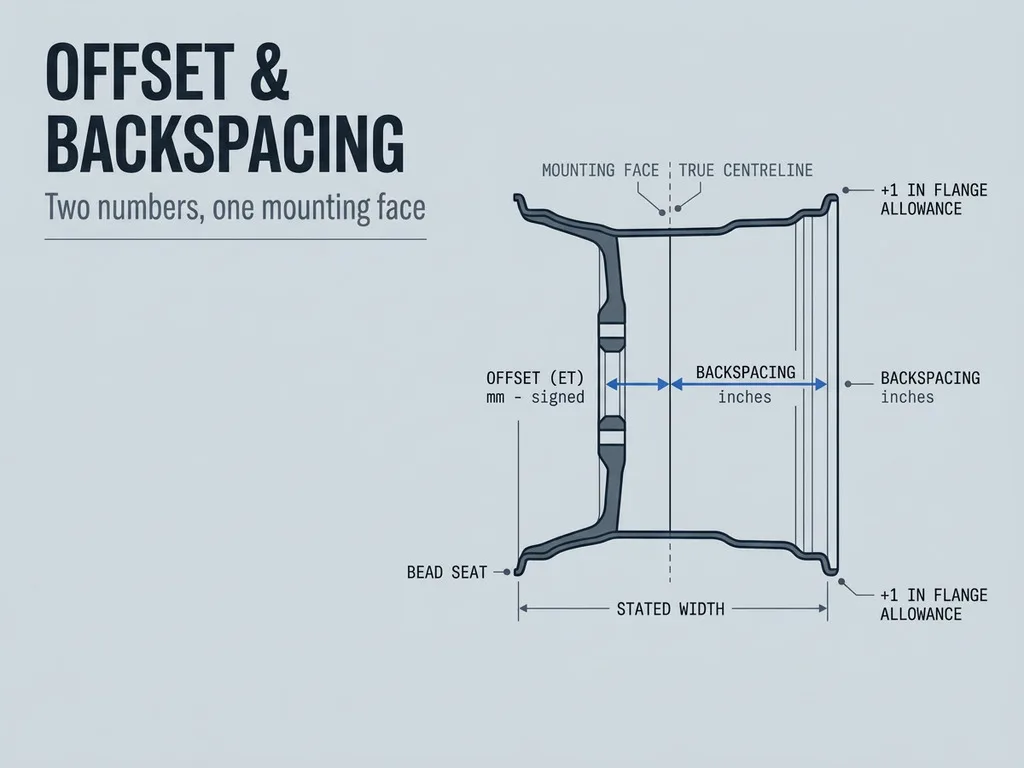
Convert wheel offset to backspacing, read ET correctly, and catch PCD errors before a container ships. A fitment risk map for auto parts importers.
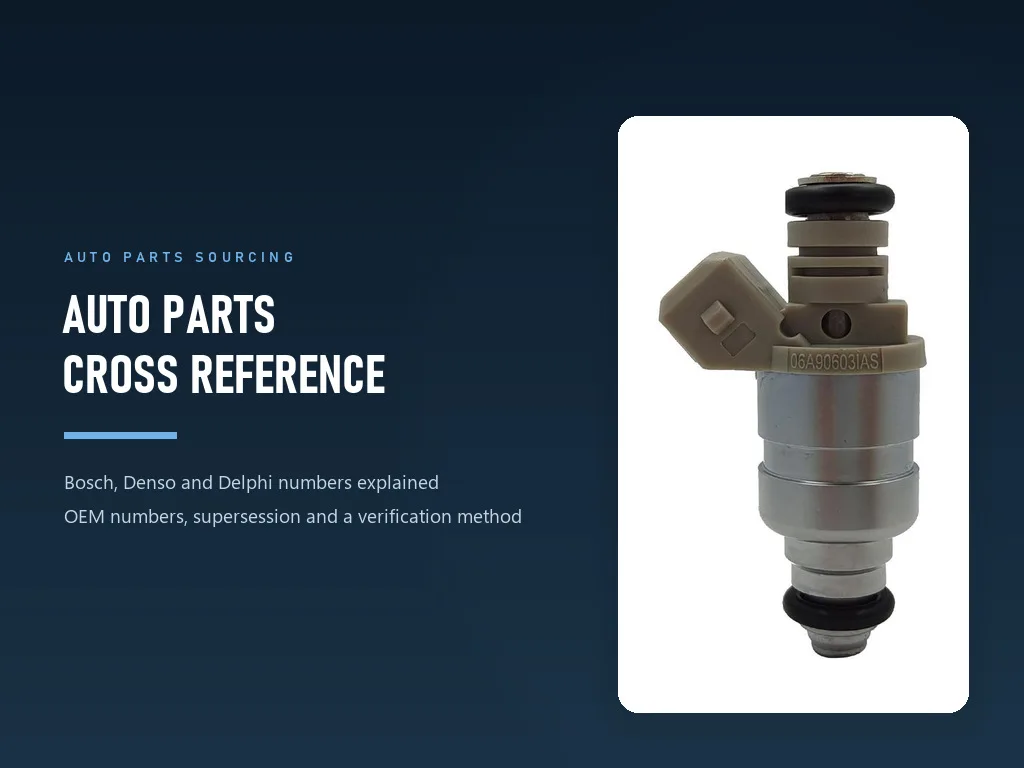
How OEM, Bosch, Denso and Delphi part numbers relate, why supersession breaks lookups, and a verification method that holds up on bulk orders.
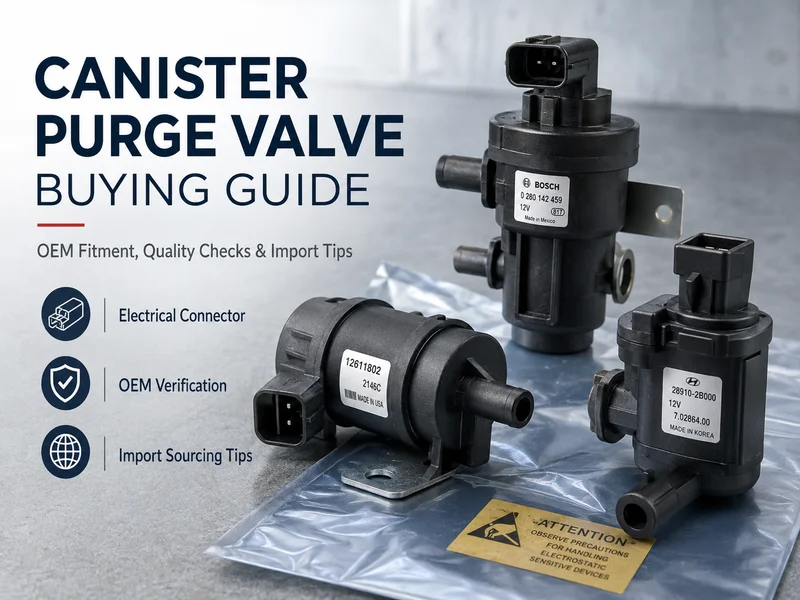
Compare stuck-open vs stuck-closed purge valve failures, OEM number matching, and supplier checks for bulk import orders. EVAP fitment and MOQ guidance.
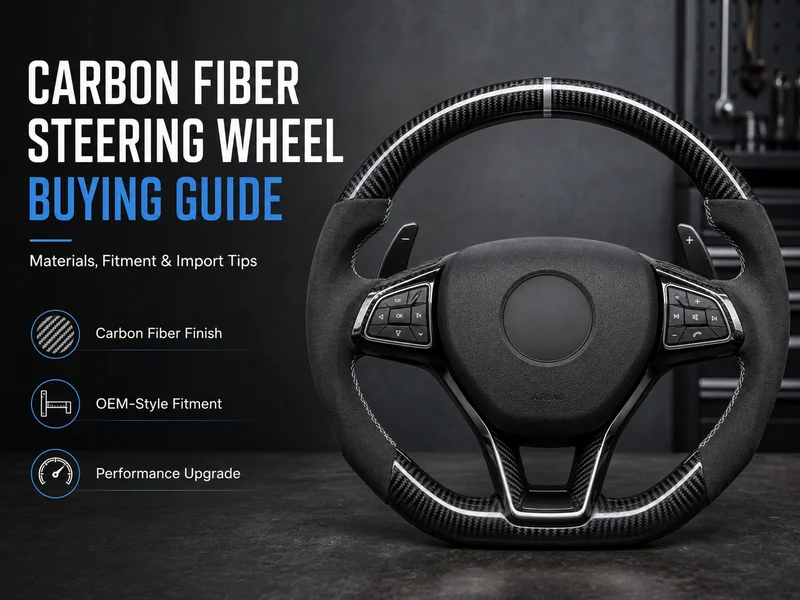
Compare carbon fiber, Nappa leather, and flat-bottom steering wheels. OEM fitment, airbag compatibility, and supplier checks for bulk import orders.
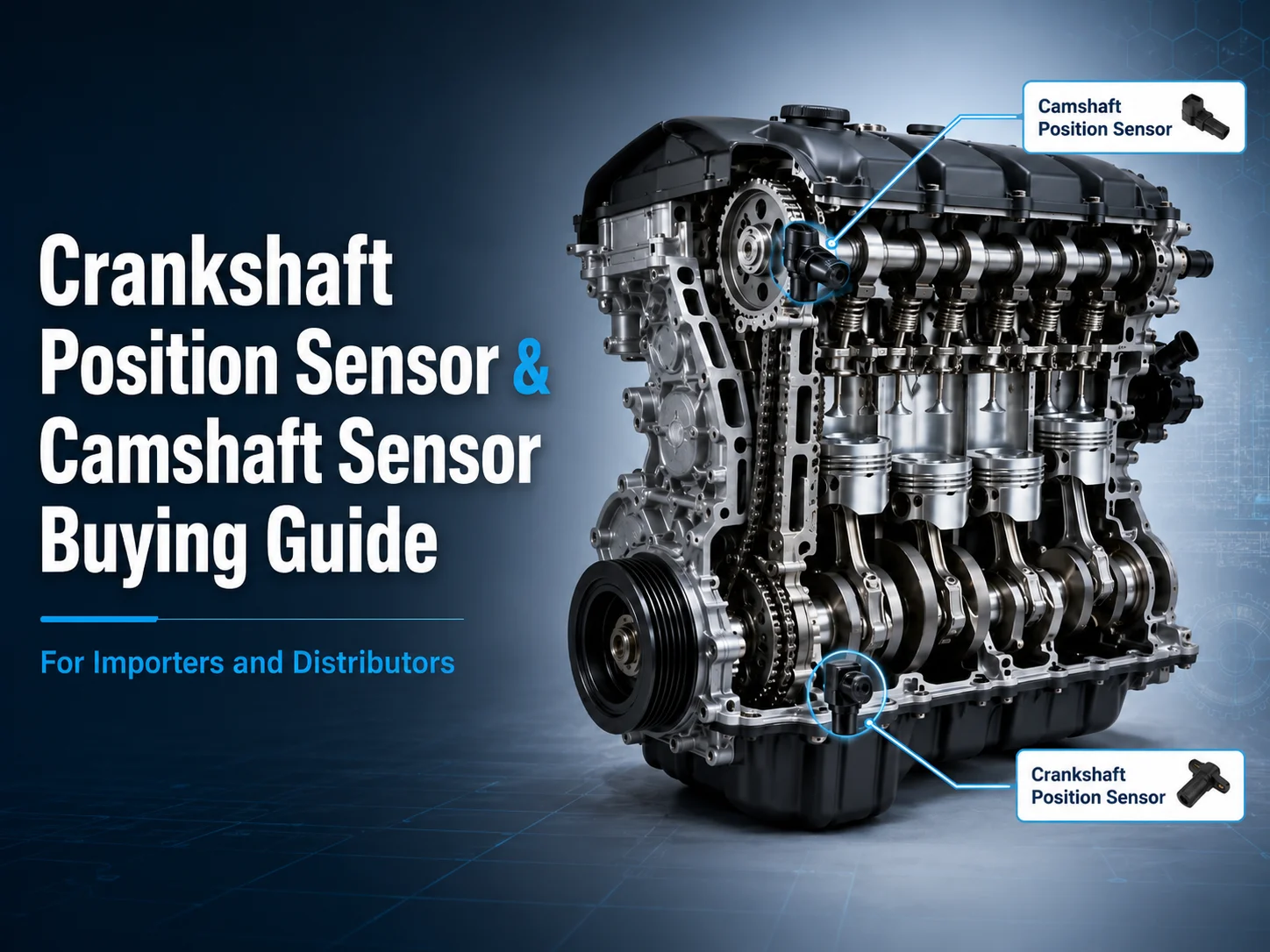
Crankshaft vs camshaft sensors explained: OEM number matching, symptom mapping, and quality checks for importers stocking CKP and CMP.
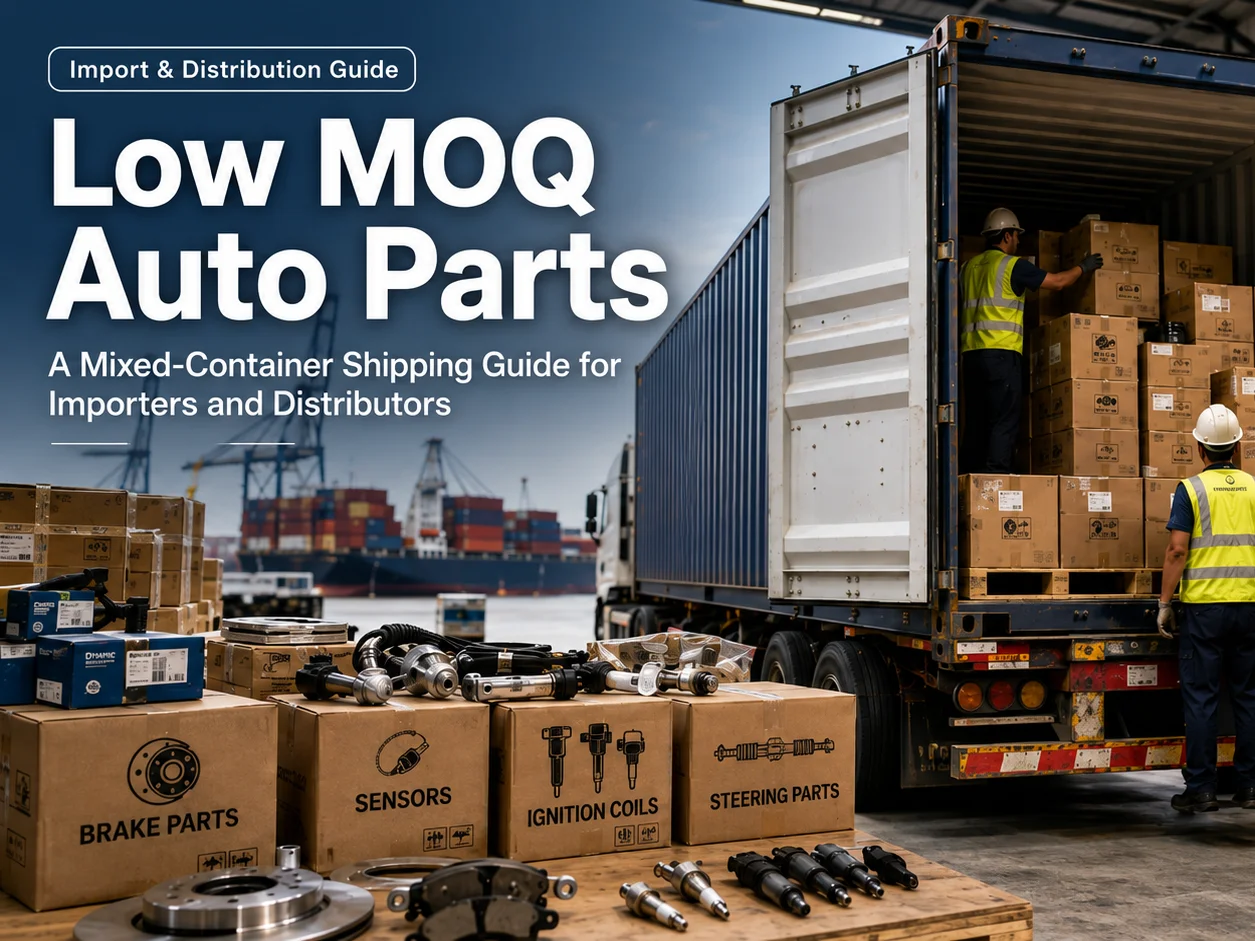
Low MOQ auto parts and mixed-container shipping explained. Cut import risk with small trial orders and consolidated freight for importers.
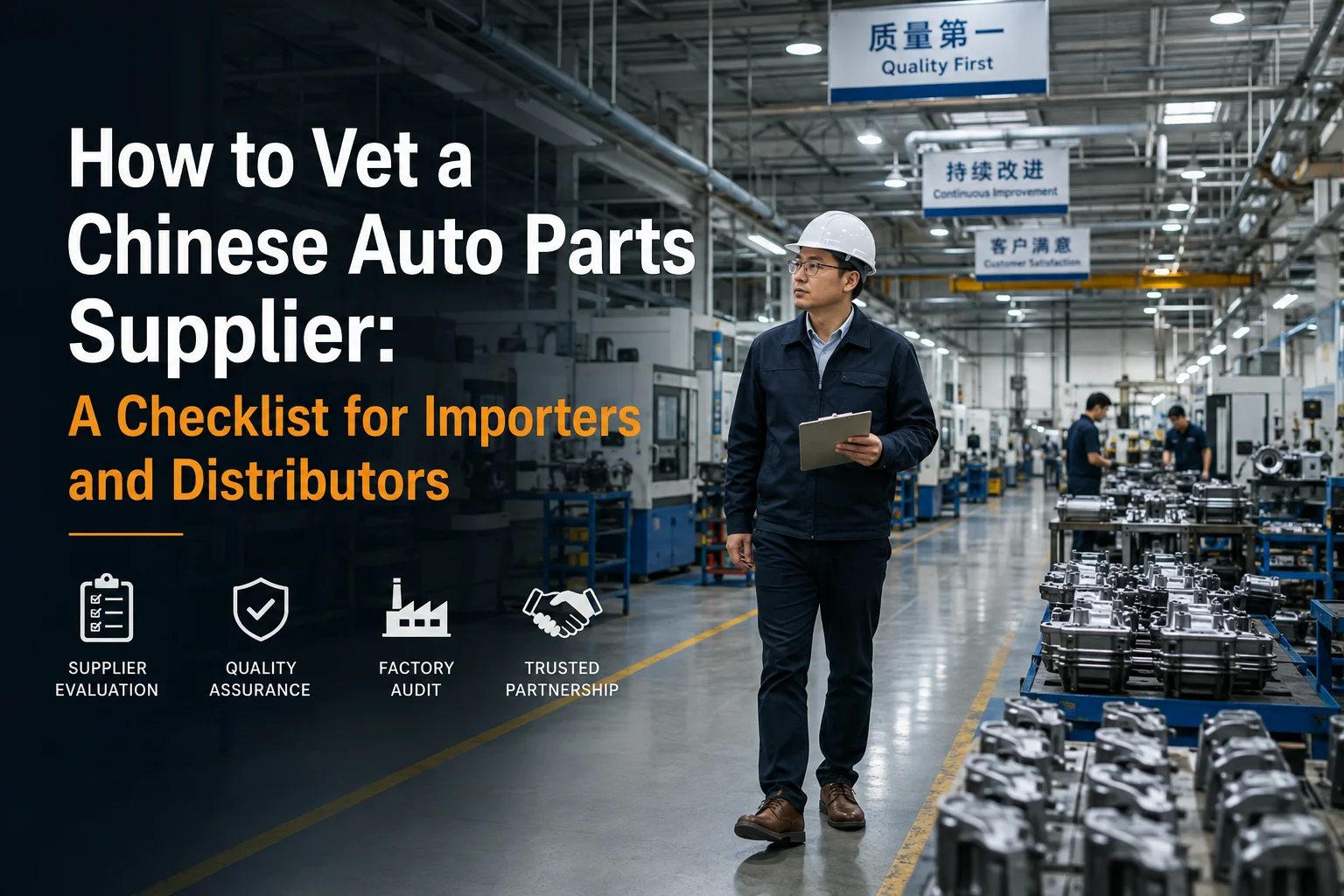
Verify a Chinese auto parts supplier before you pay. Business license checks, IATF 16949 certification, factory audits, and red flags for importers.
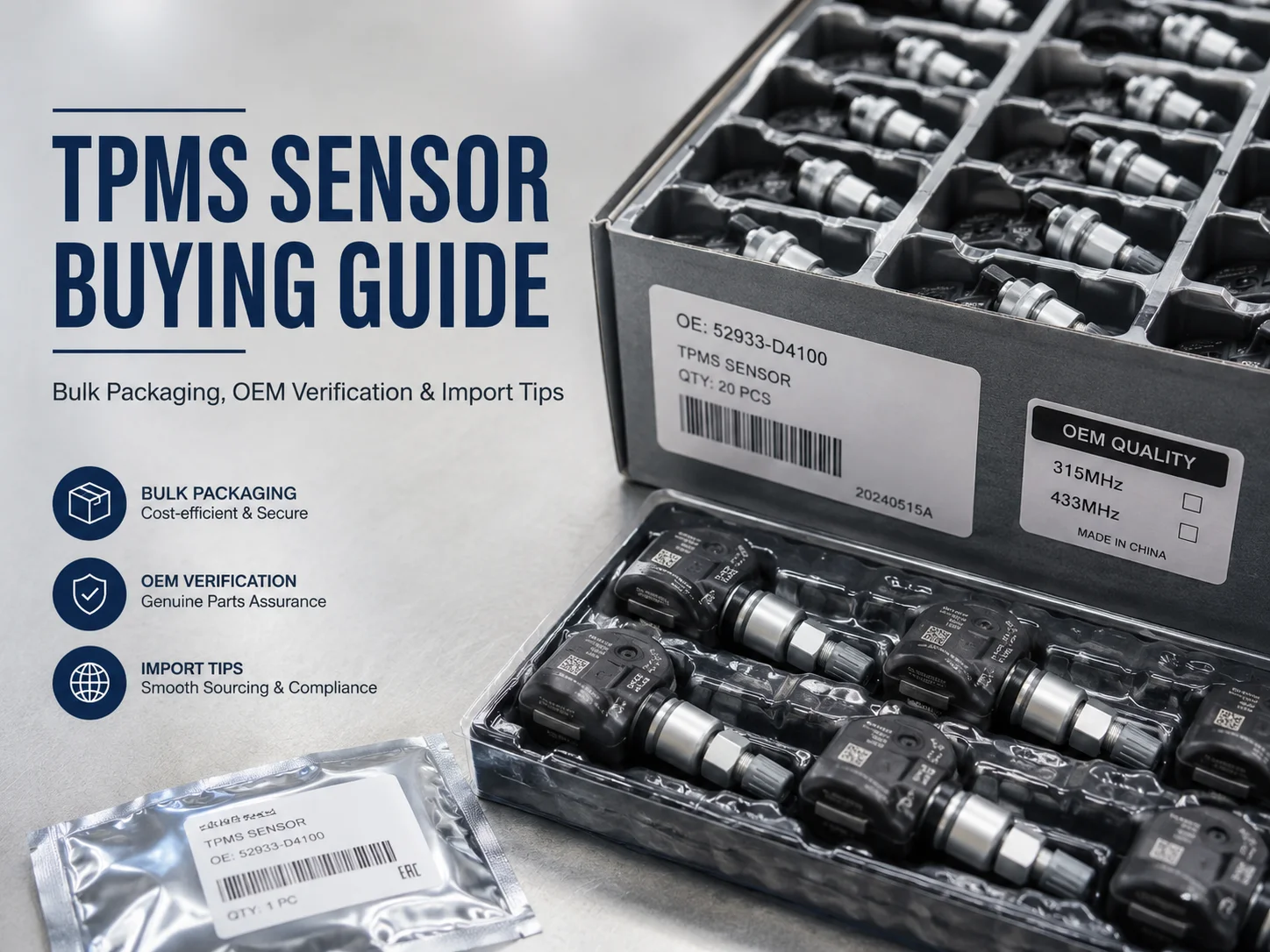
Compare direct vs indirect TPMS sensors, OEM number matching, and supplier checks for bulk import orders. Programming, warranty, and MOQ guidance.
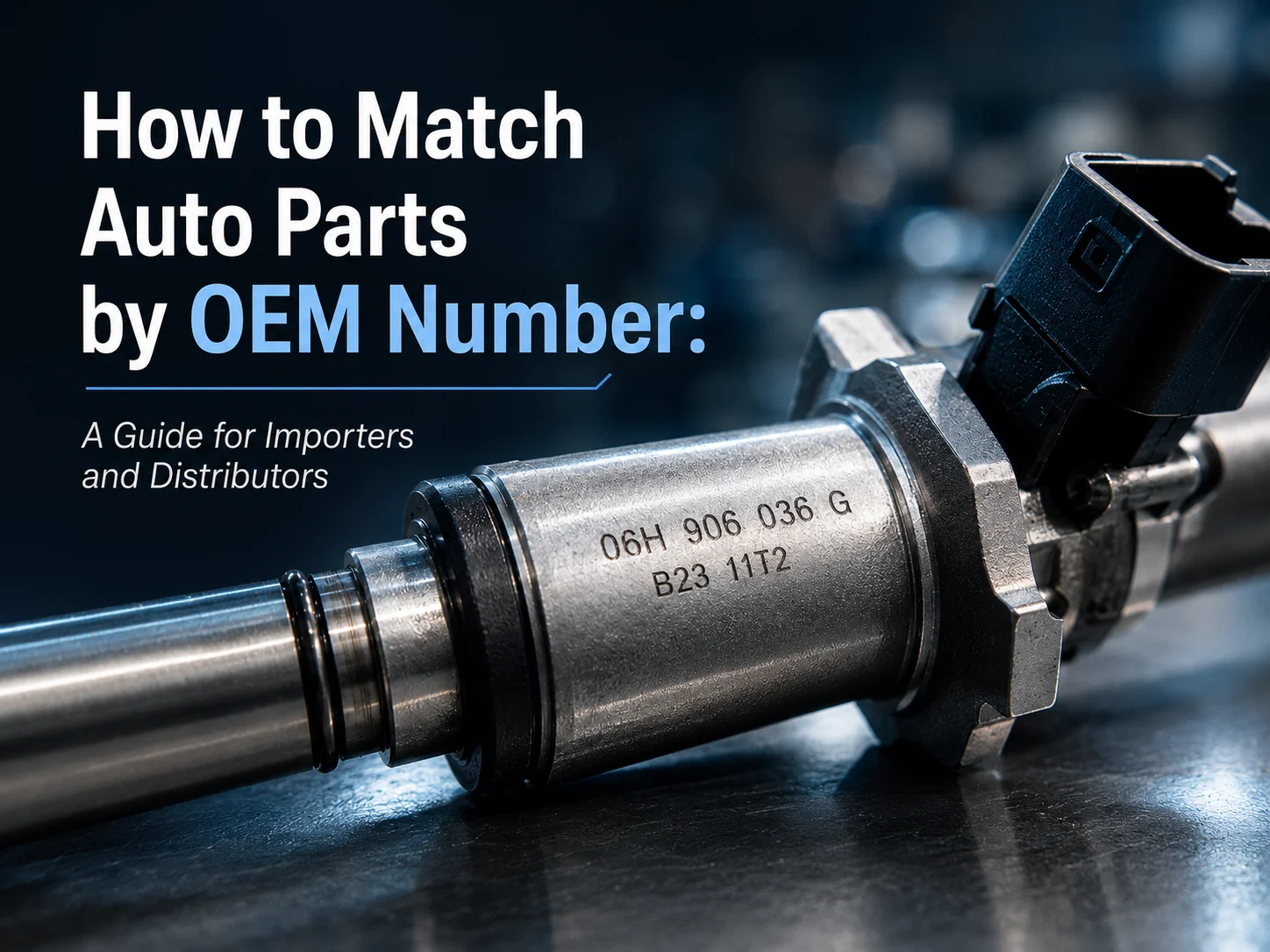
Learn how to verify auto part fitment with OEM numbers. Fitment data, cross-reference, and 4-dimension checks for importers and distributors.
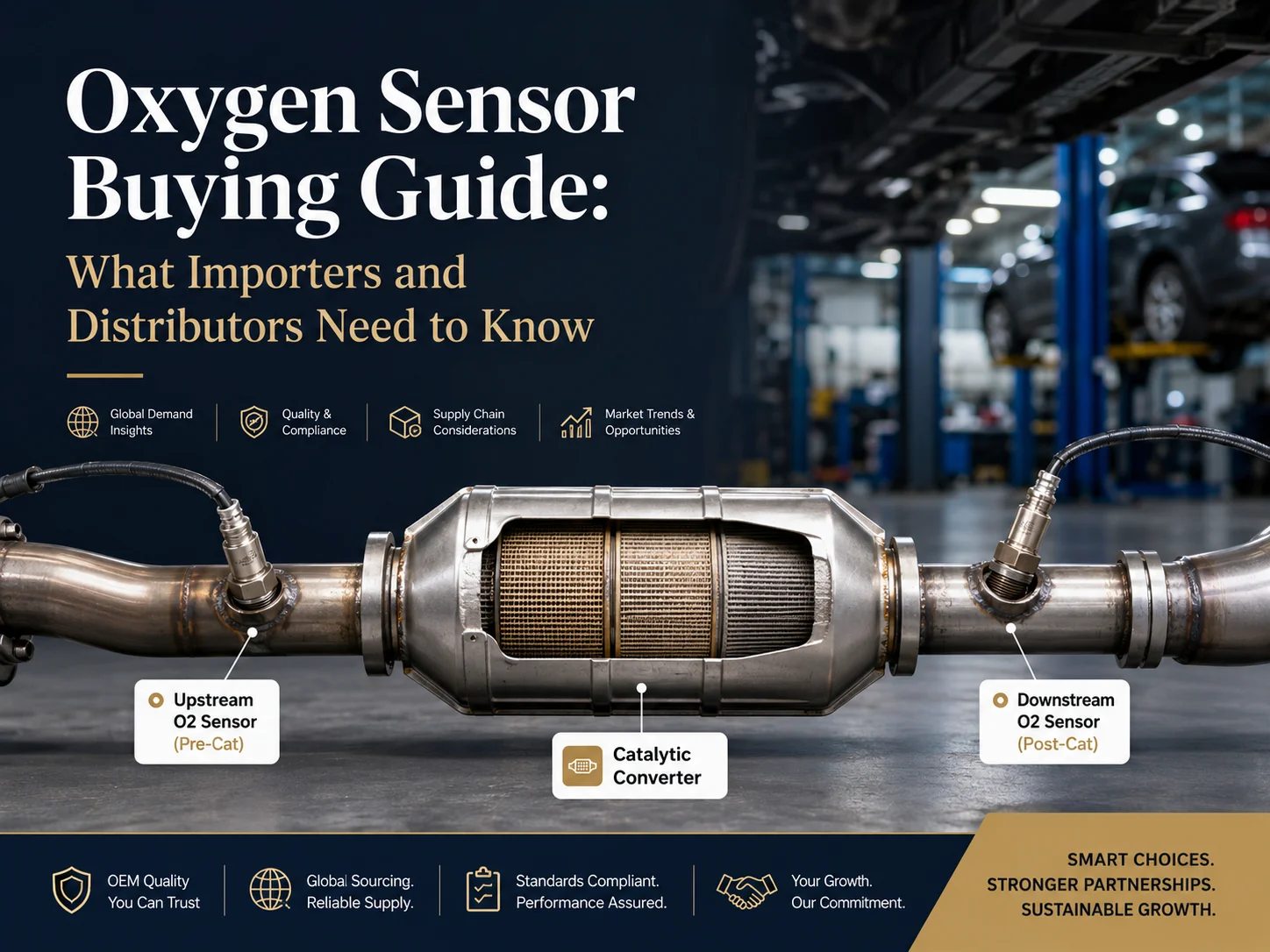
Upstream vs downstream oxygen sensors, OEM number matching, and quality checks for importers sourcing O2 sensors in bulk.
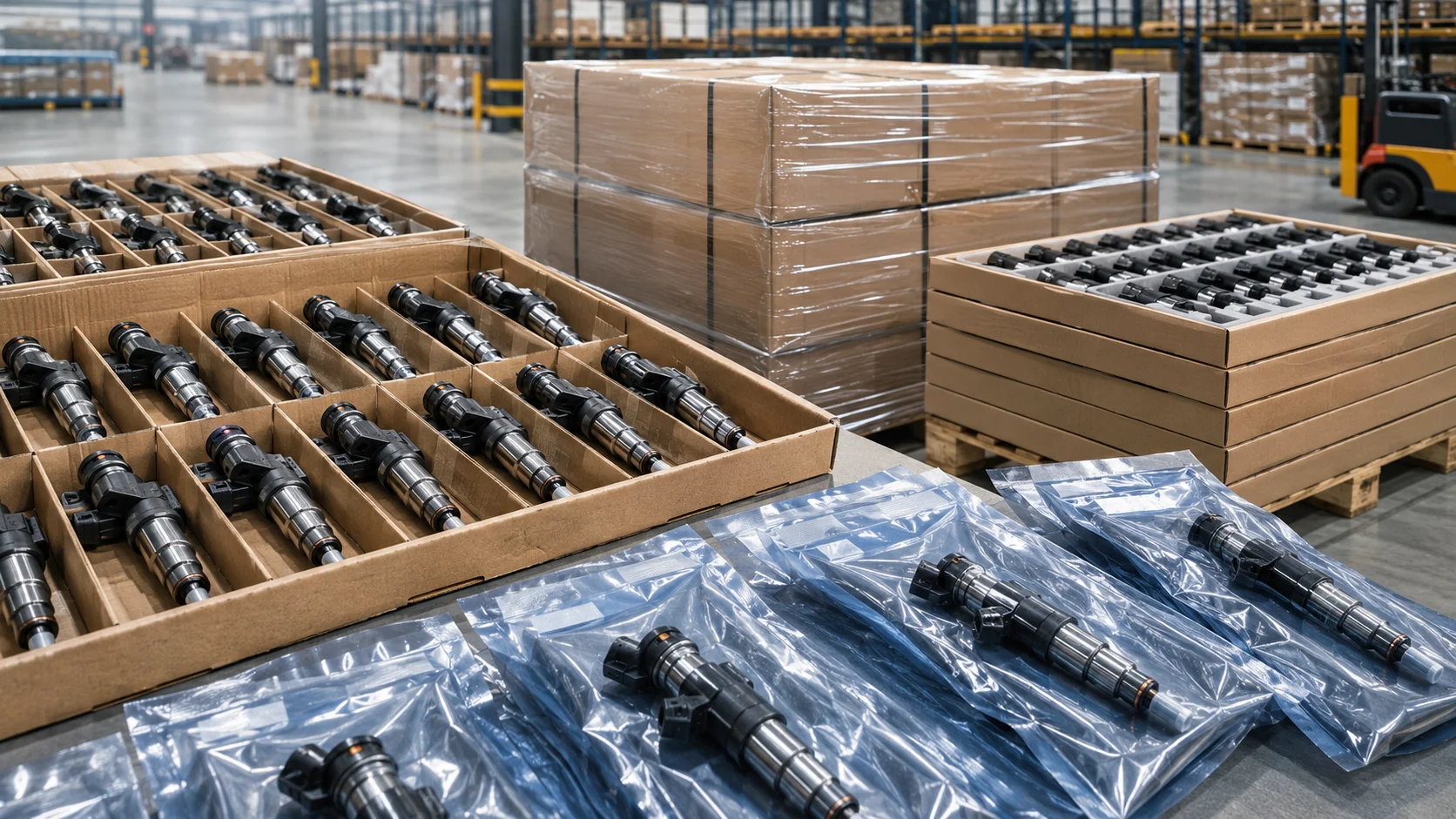
New vs remanufactured fuel injectors, OEM number matching for 117+ SKUs, flow matching explained, and supplier evaluation for bulk import orders.
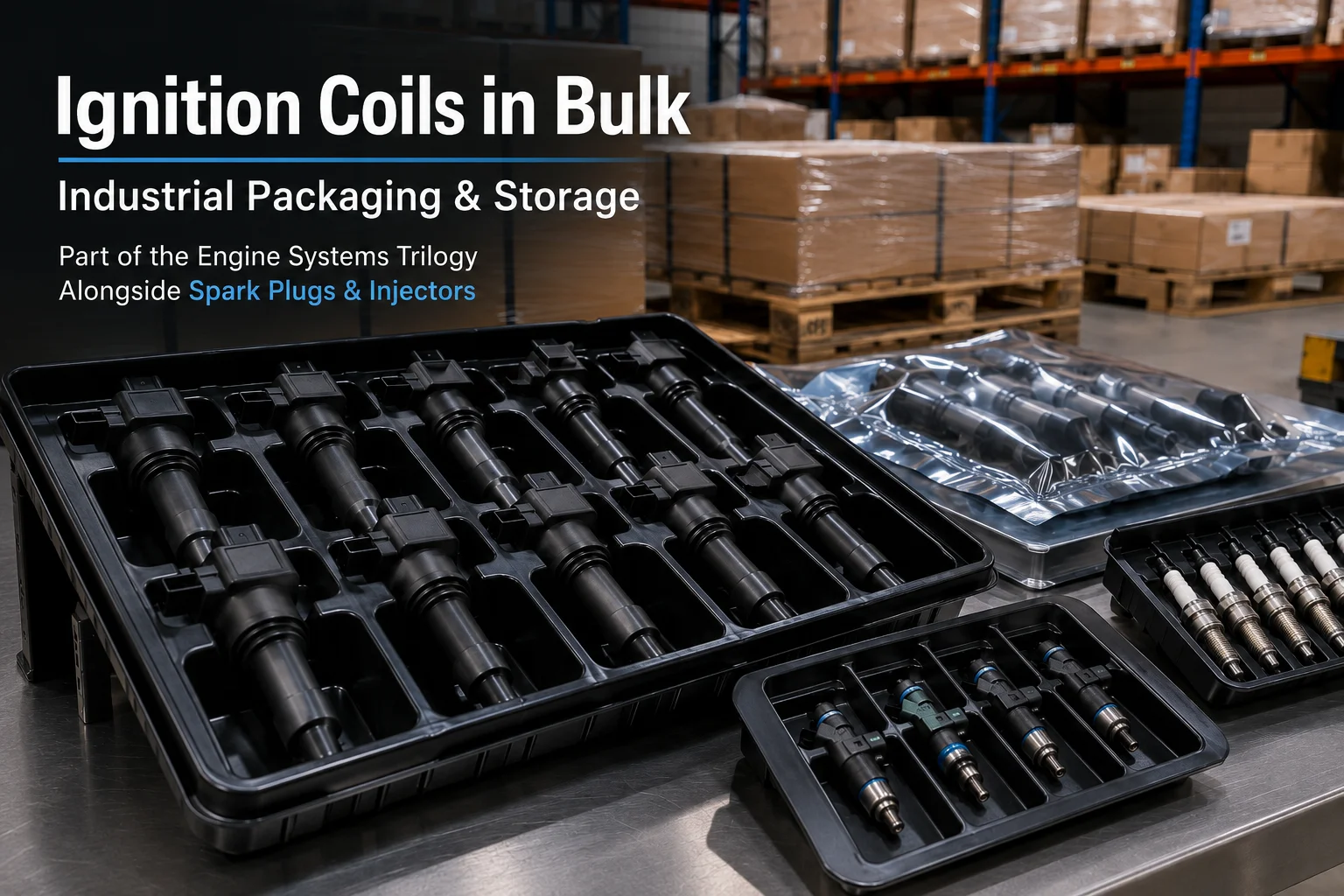
COP vs coil pack vs distributor coils. OEM number matching, failure patterns, supplier checklist, and cross-purchase logic with spark plugs.
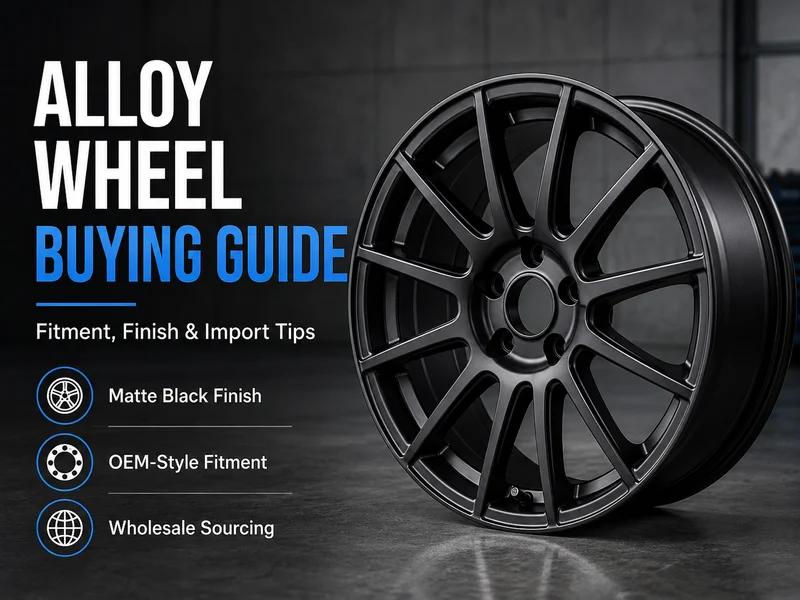
Compare cast aluminum wheel sizes, offset, and finishes for bulk import orders. Diameter, J-value, ET, PCD, and supplier checks explained.
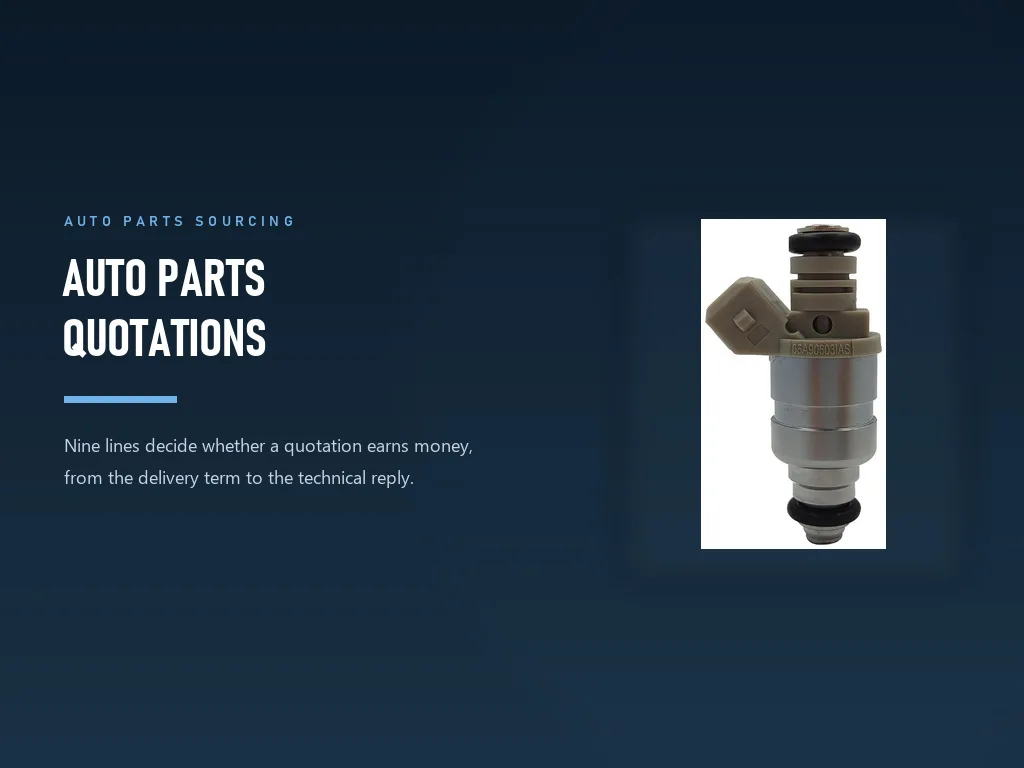
Compare auto parts quotations line by line: Incoterms basis, packaging and label cost, MOQ price breaks, payment terms and warranty exclusions
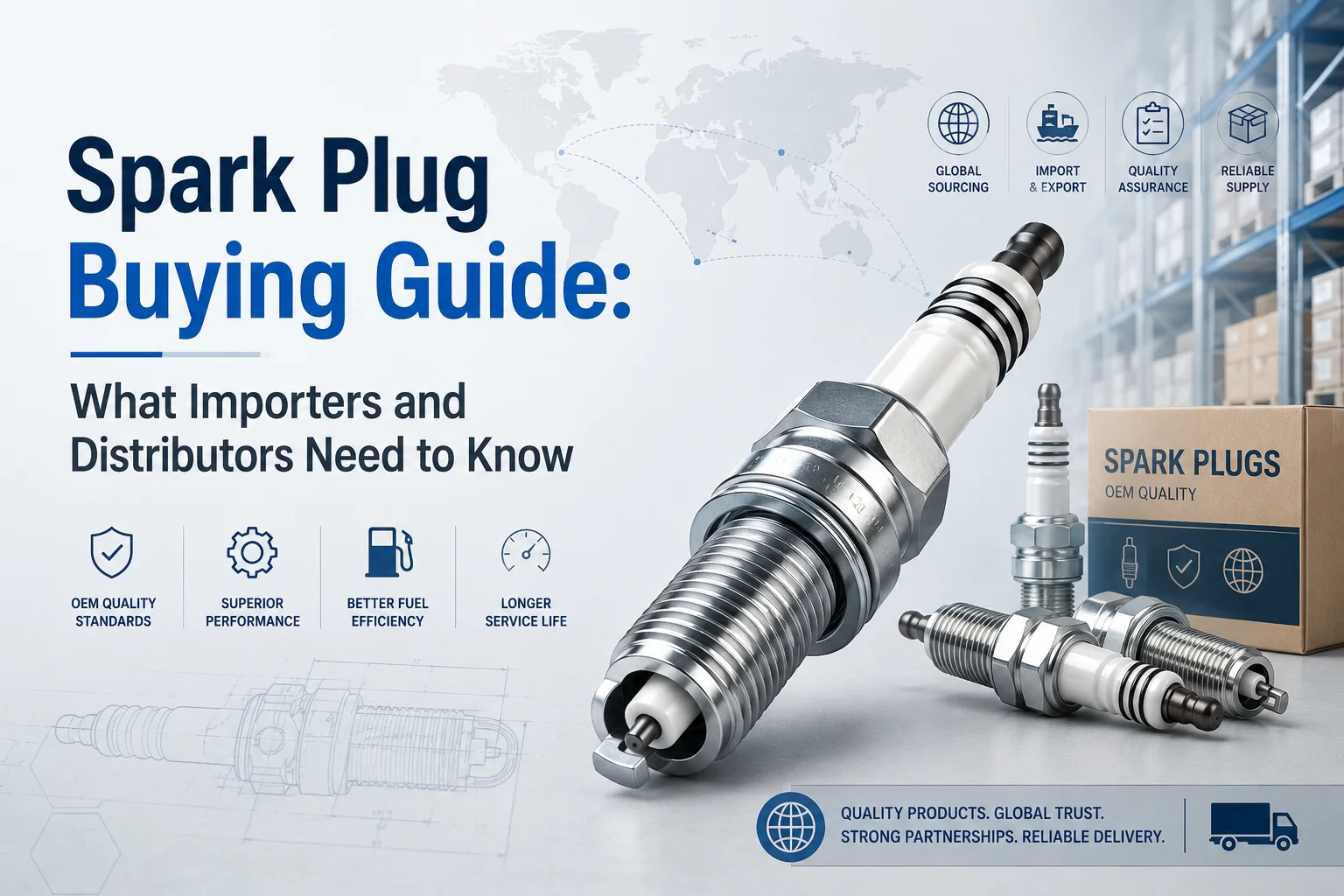
Compare iridium, platinum, and copper spark plugs. OEM number matching, heat range selection, and supplier evaluation for bulk import orders.
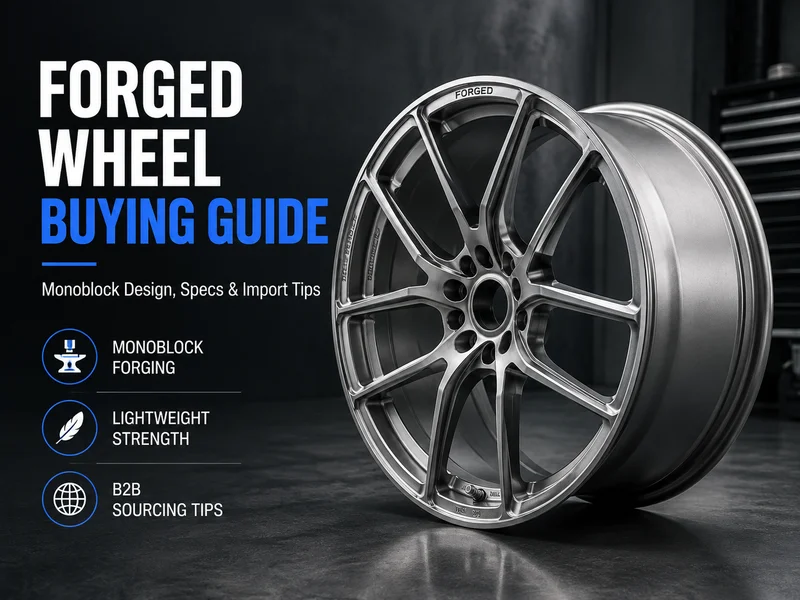
Compare monoblock, two-piece, and three-piece forged wheel construction. Style, finish, fitment fields, and supplier checks for importers.
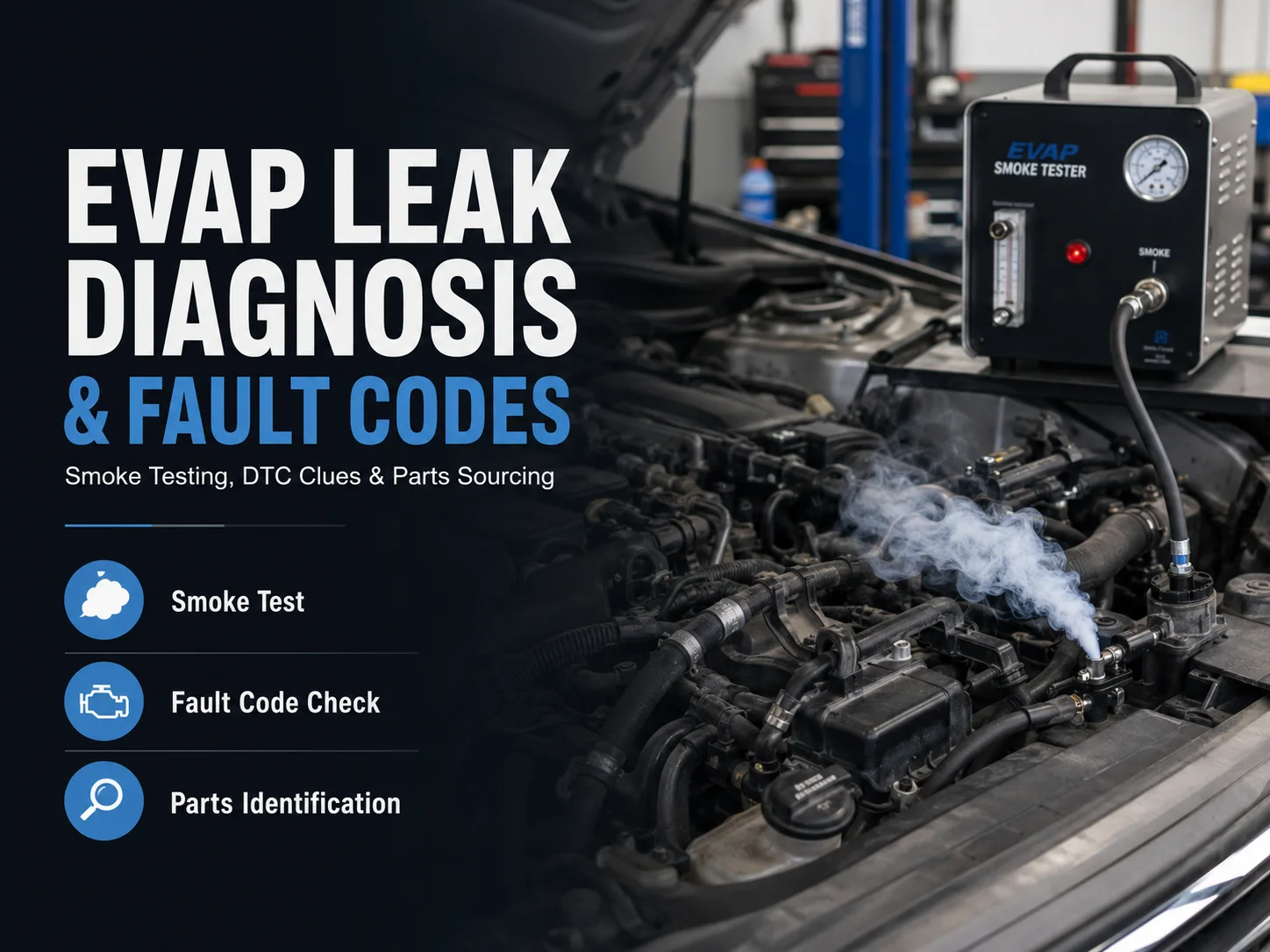
Map EVAP fault codes P0441, P0442, P0455, and P0456 to the right replacement part. Smoke test basics and supplier checks for importers.
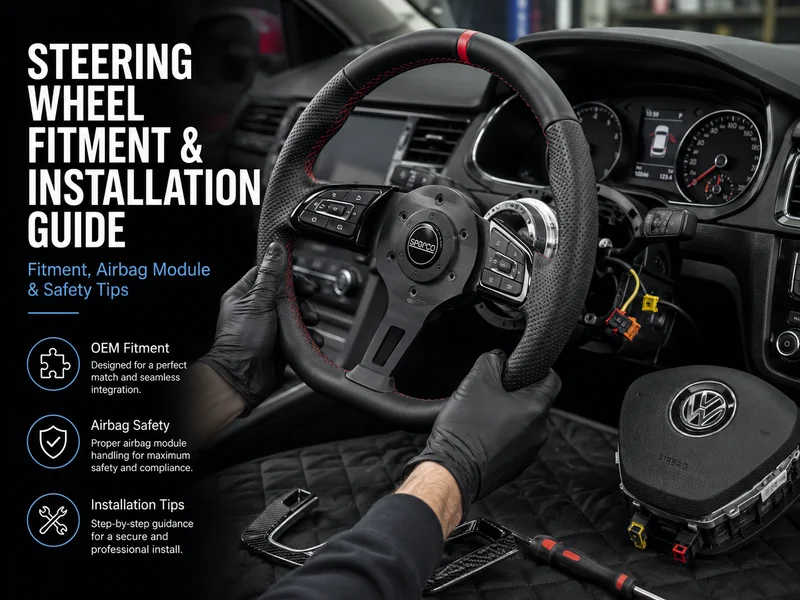
Five fitment fields that decide whether a steering wheel mounts, airbag safety, multifunction buttons, and the install sequence for importers.

E-Mark, DOT, REACH and RoHS explained for auto parts importers: who owns compliance, what to request from suppliers, and how to verify the documents.
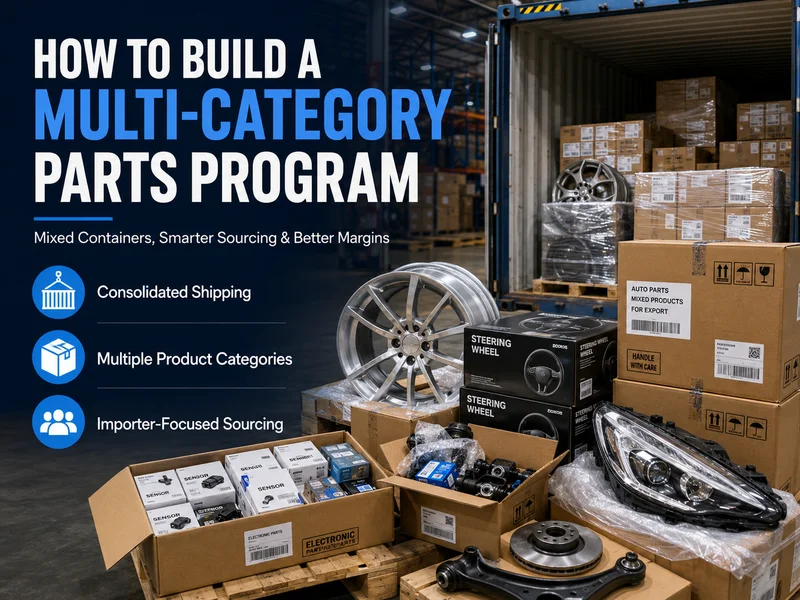
Move from single-category to multi-category auto parts sourcing. Category pairing, mixed-container freight, and one-stop supplier tradeoffs.
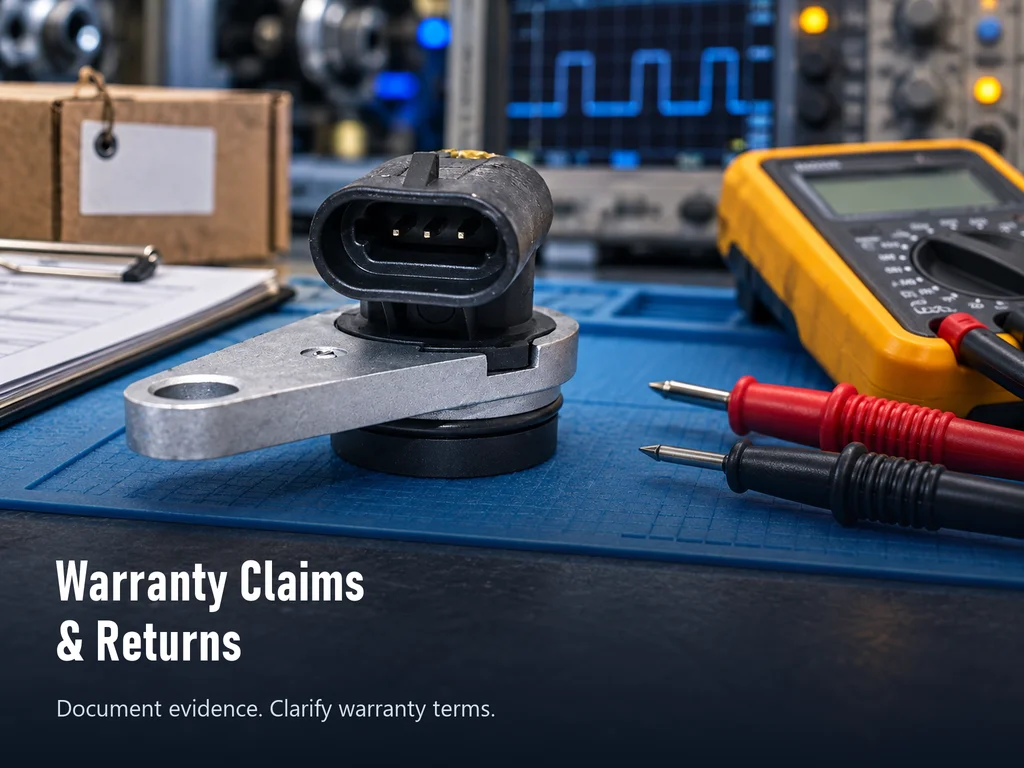
Agree auto parts warranty terms before you order: coverage, exclusions, claim timelines, replacement or return, freight and batch traceability.
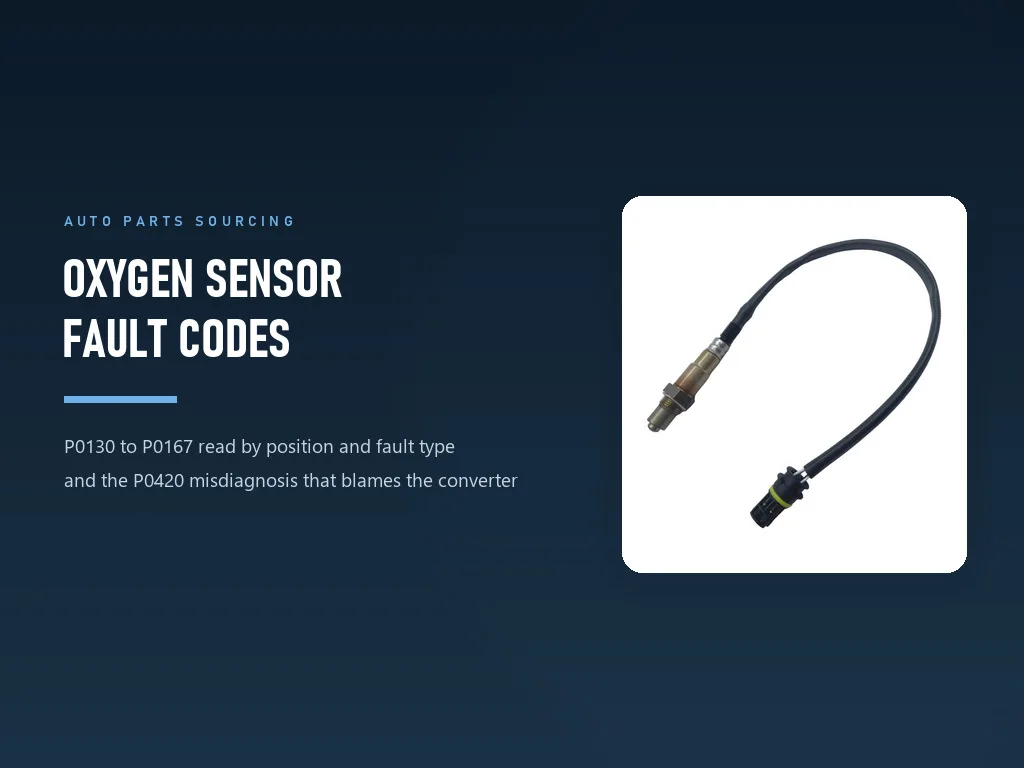
Read P0130-P0166 and P0420 correctly: why a healthy catalytic converter gets blamed, and how to stock oxygen sensors by code family.
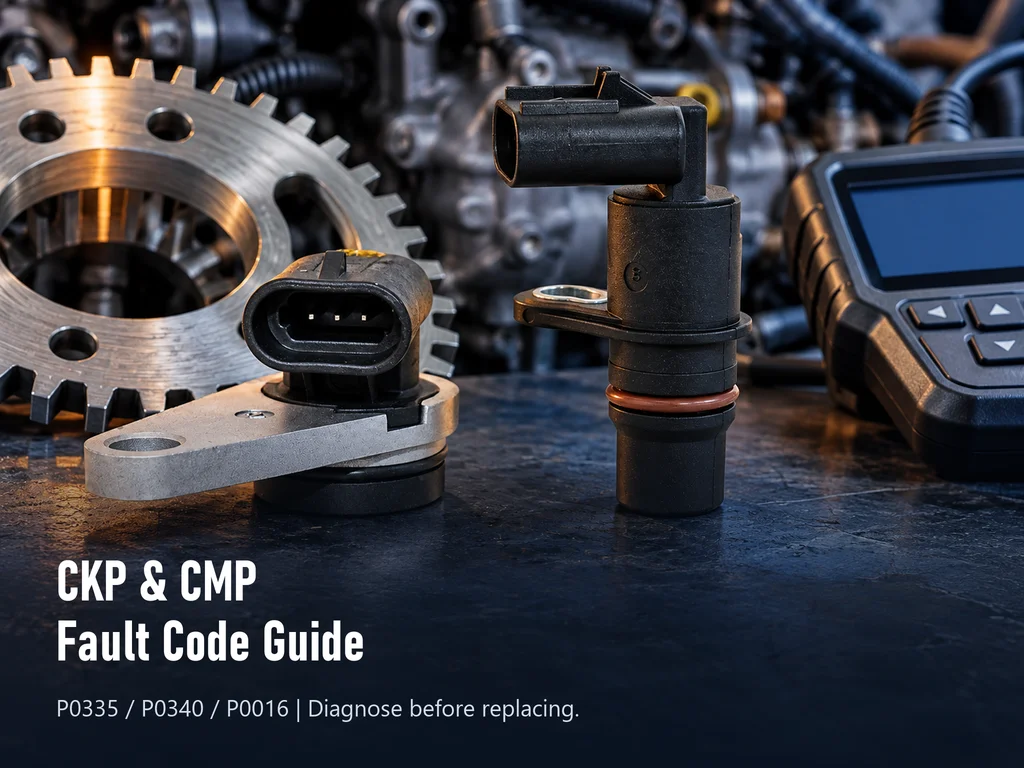
Map P0335, P0340 and P0016 to the parts importers stock: what each code points at, which parts to carry, and a sensor sourcing checklist.
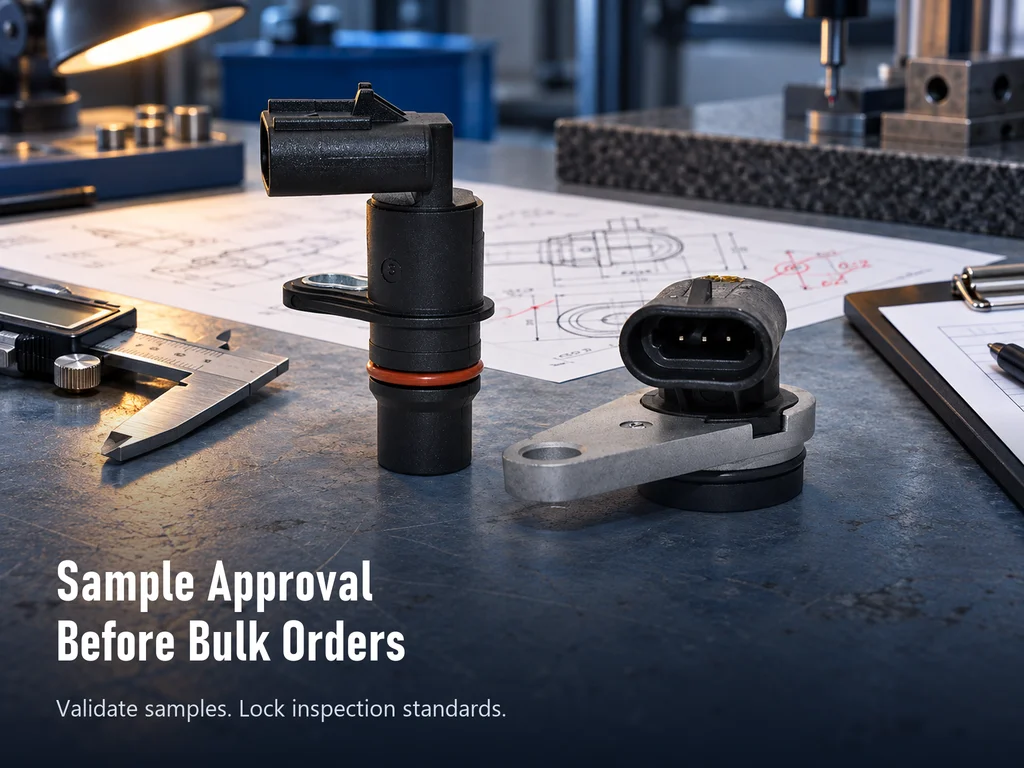
Validate an auto parts sample before bulk order: OEM and fitment fields, connector pin-outs, key dimensions, finish, packaging and inspection evidence.
Set an auto parts incoming inspection plan: lot size, sample size and acceptance number, critical, major and minor defects, and claim-ready records.
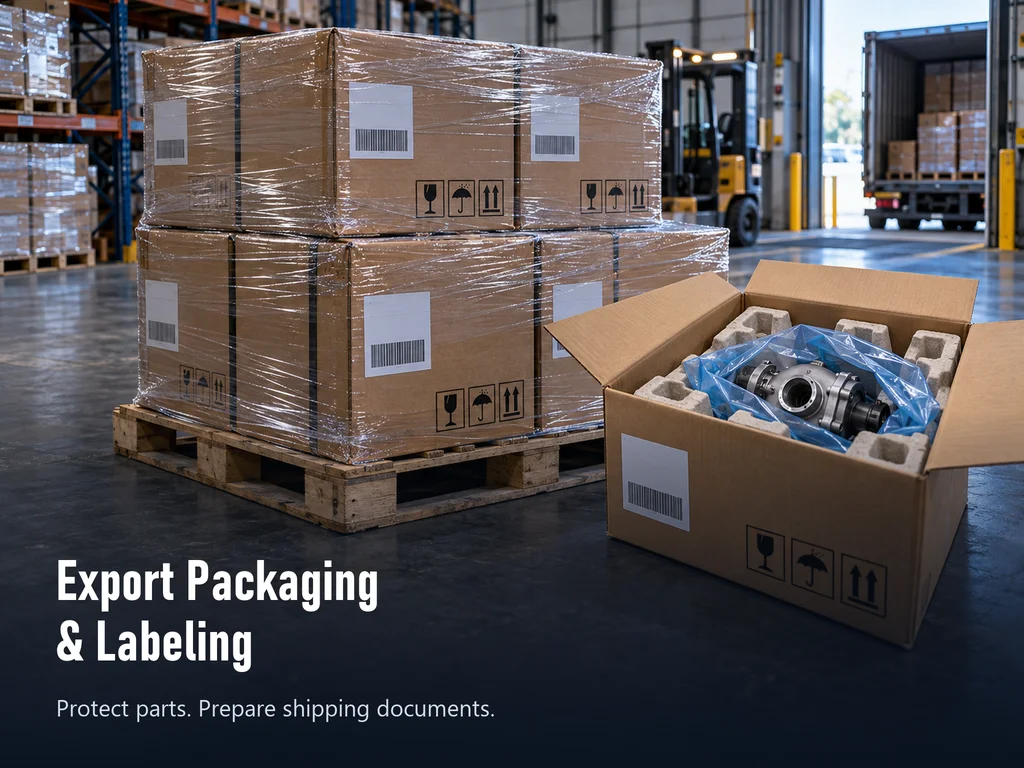
Auto parts export packaging, labeling and documentation checklist for importers: unit protection, shipping marks, batch traceability, clearance documents.
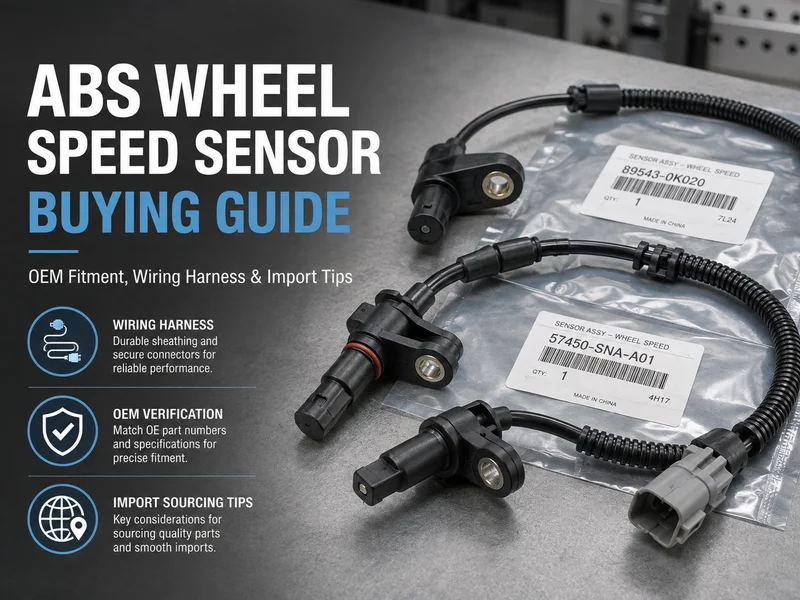
Compare active vs passive ABS wheel speed sensors, OEM number matching, and supplier checks for bulk import orders. Fitment, wiring, and MOQ guidance.
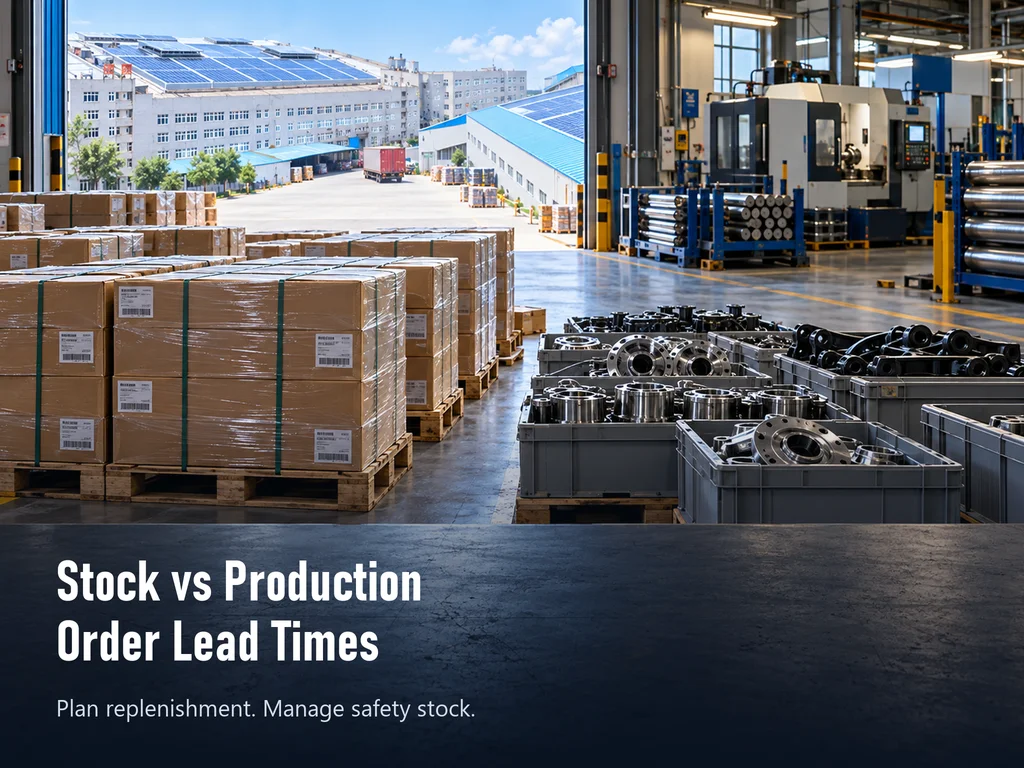
How importers plan auto parts lead time across stock and production orders: the lead-time chain, reorder points, safety stock and peak-season timing.
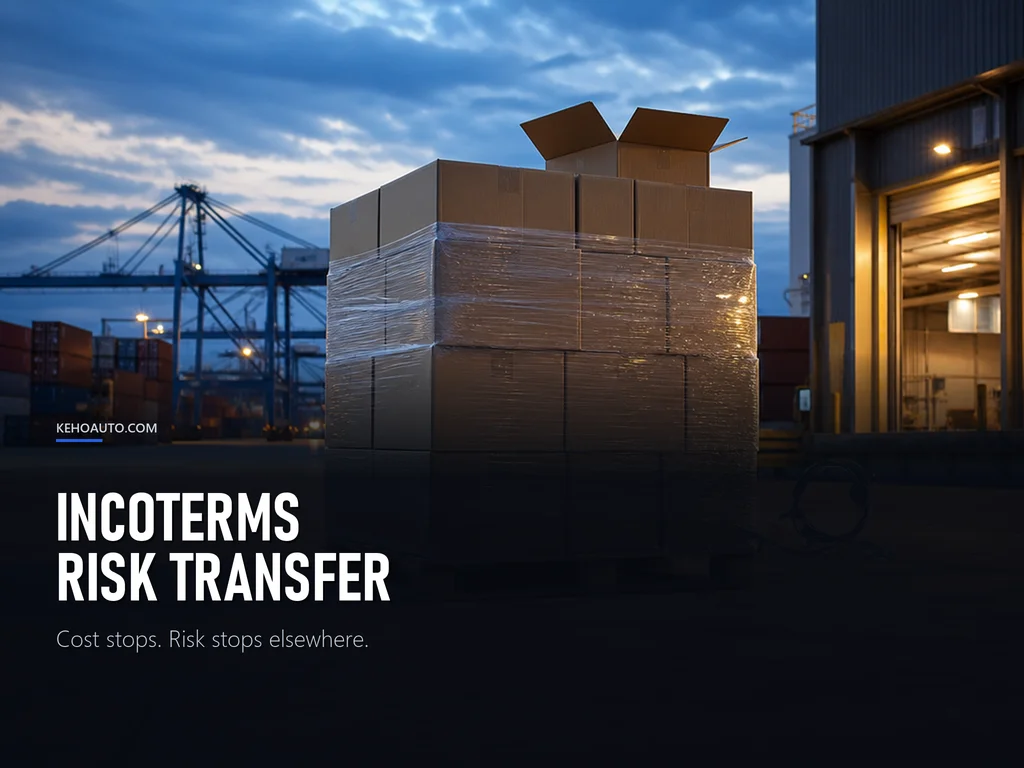
"How EXW, FOB, CIF and DDP split cost, risk and responsibility on auto parts shipments, and where insurance, port charges and damage claims land.
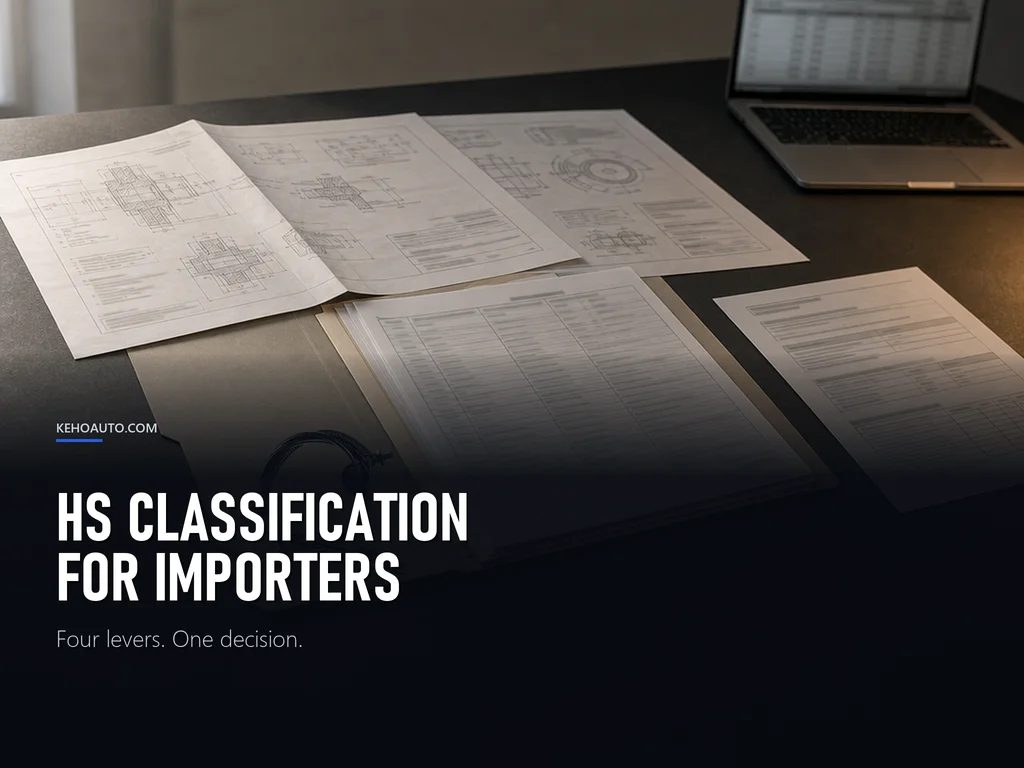
A practical method for auto parts HS classification: four decision levers, the documents customs asks for, and how to handle a dispute. No code guessing.
Try adjusting your search or filter criteria.
Join procurement professionals receiving our monthly technical digest.
Share the part, vehicle or requirement and we will follow up with the next step.